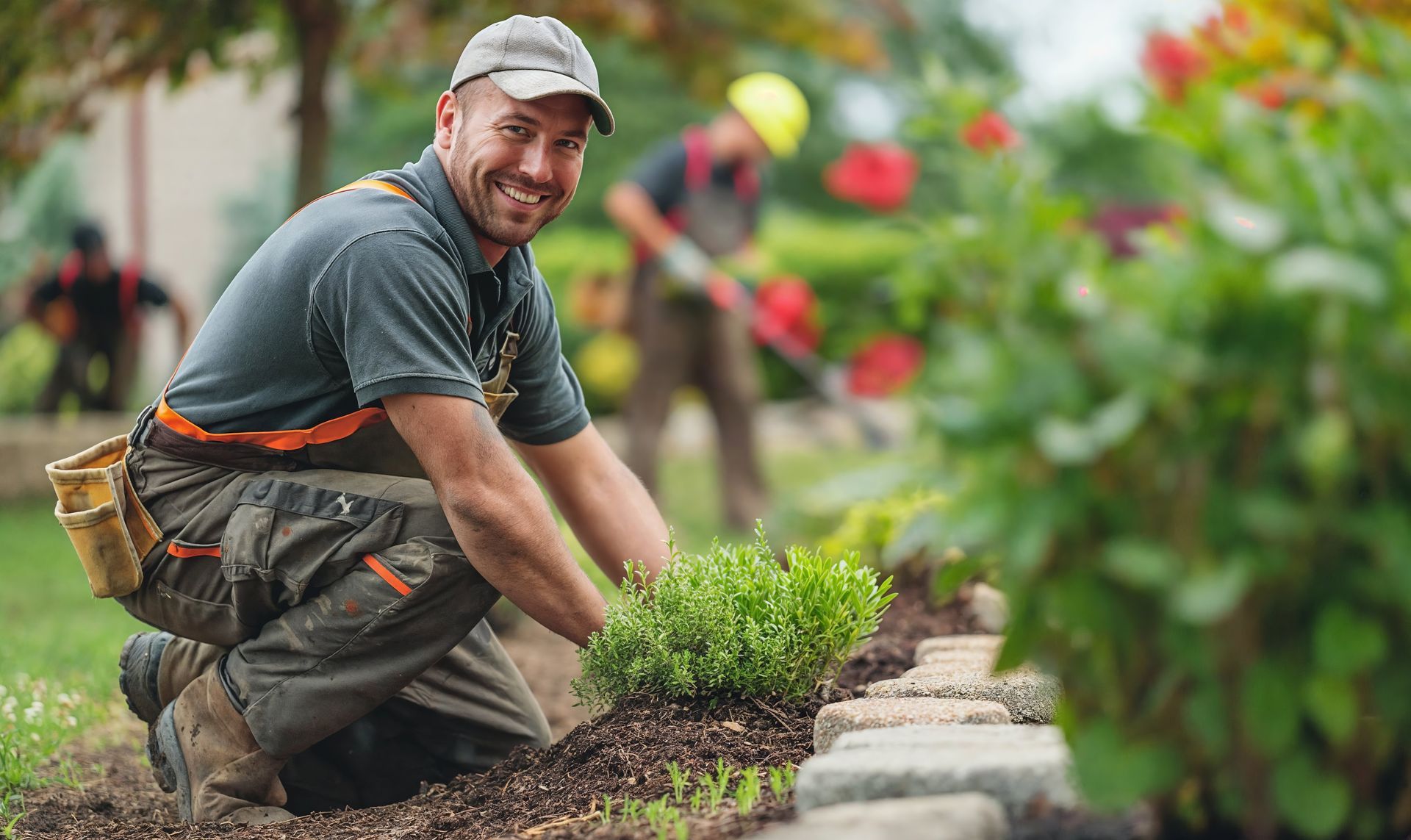
A Residential Landscape Planning Checklist for Florida Homes
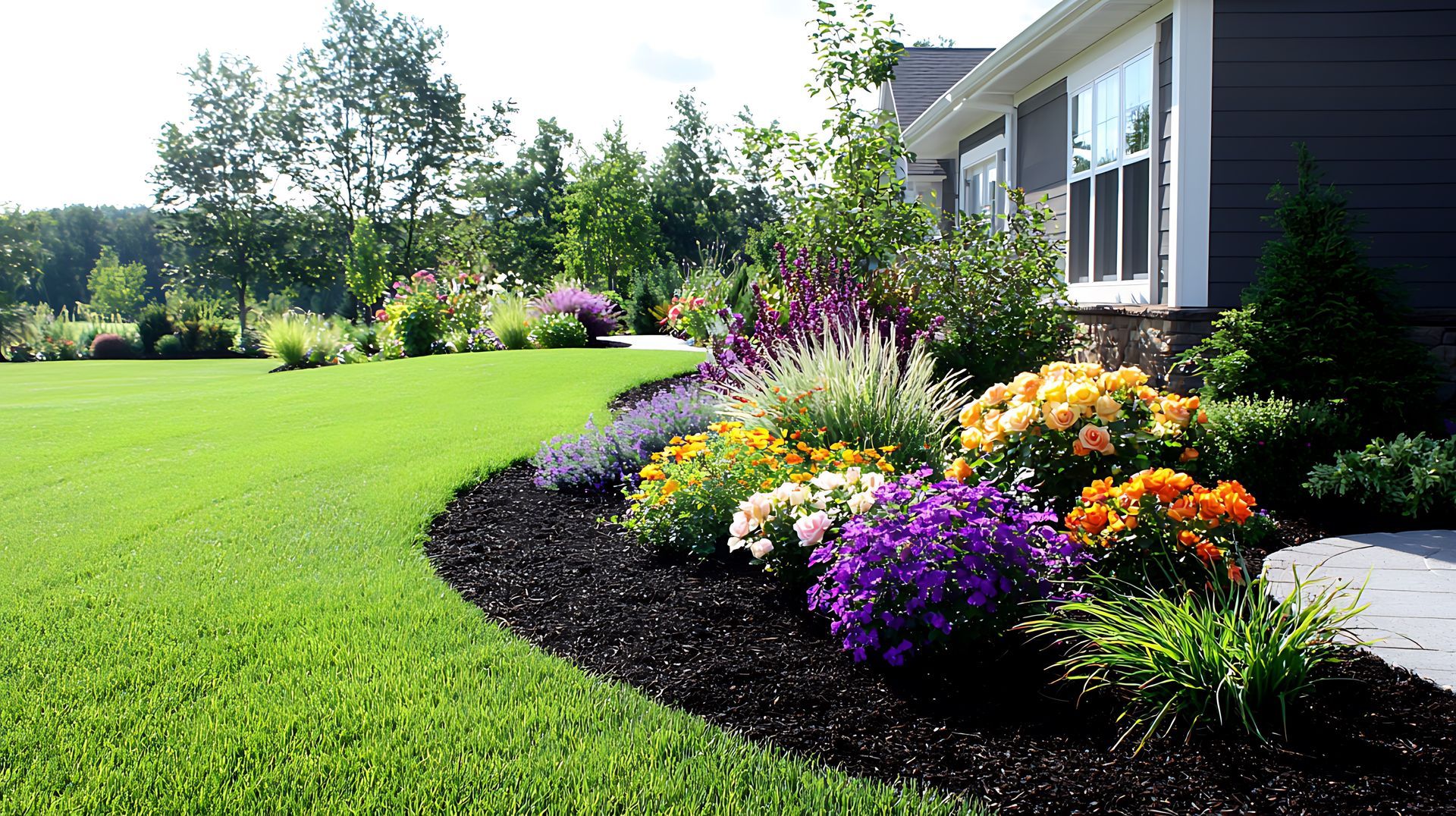
Residential landscaping works best when the plan is written down before any shovel touches the ground. This article offers a practical checklist for planning a yard in Florida, from the first goals through the final maintenance schedule. It is written for homeowners who want an organized starting point. Ready to plan your yard? Call (352) 445-7291 to speak with our team today.
Start With Clear Goals
Every good plan begins with a short list of goals. Decide how the yard will be used, whether for play, entertaining, pets, gardening, or simply relaxing. Those answers shape every decision that follows.
Write down two or three priorities and keep them visible. For residential landscaping projects, those priorities should also guide the budget. When choices come up later, the list keeps the project focused on what matters most.
Map the Sun and Shade
Florida sun can be intense, and shade patterns change throughout the day. Spend a day watching how light moves across the yard. Note which areas receive full sun, partial sun, and deep shade.
Sun mapping helps match plants to their locations. A bed that gets strong afternoon light calls for different choices than a bed beneath a large tree.
Take photos from the same spot in the morning and afternoon to compare light. Photos are easy to share with a landscaper, who can use them when reviewing the site.
Check Drainage and Soil
Drainage determines how well almost every plant will grow. After a heavy rain, look for standing water, soggy spots, and areas where soil washes away. Those clues show where drainage work may be needed before planting.
Soil also matters. Test the texture by digging a small hole and checking how quickly it drains. Share the results with your landscaper so the plant choices fit the ground.
Build a Plant Palette
Choose a limited set of plants that suit the site. A short palette keeps the design cohesive and simplifies maintenance. Include a mix of shrubs, groundcovers, and perennials so the yard has structure year round.
- Pick plants suited to Florida's heat and humidity.
- Group plants with similar water and light needs.
- Include a few plants that provide color across seasons.
- Plan for mature size, not the size at purchase.
- Limit the number of unique species to keep care simple
Plan the Hardscape
Patios, walkways, retaining walls, and fire pits shape how people move through the yard. Place paths where people naturally walk, not only where they look good on paper. Connect hardscape features with the planting beds so the spaces feel like one design.
Decide early whether you want lighting, water features, or outdoor kitchens. Adding them later can require reworking paths and wiring that could have been planned from the start.
Set a Maintenance Schedule
Every landscape needs care. Write down how often you plan to mow, trim, mulch, prune, and clean up. Be honest about the time you have available. A plan that matches your schedule is far more likely to last.
Decide which tasks you will handle personally and which you will hire out. Many homeowners keep light tasks in-house and bring in a crew for seasonal work.
Residential landscaping plans that include a written schedule are usually easier to keep up with, because each task has a clear owner and timing.
Review the Plan With a Professional
Once the checklist is complete, share it with a local landscaper. A professional can spot drainage concerns, suggest suitable plants, and explain how the design will look as it matures. Their feedback often prevents costly changes after installation. Prefer to look us up first?
Budget and Phase the Work
A checklist also helps with budgeting. List each project area, such as design, planting, hardscape, and drainage, and estimate which items matter most. Phasing the work lets homeowners fund the priorities first and add the rest later.
Residential landscaping plans often grow in stages. Each stage can be checked against the original goals before the next one begins. A front entry may come first, followed by the backyard, then the lighting and maintenance routine. Writing the phases down prevents the project from becoming a series of unrelated purchases. Want to see where we operate? Google Maps lists our business details and location for easy reference.
Frequently Asked Questions
How Far Ahead Should I Plan a Residential Landscape?
Plan several weeks ahead for design and estimates. Larger projects, especially those with drainage or grading, may need more time.
Can I Start the Project in Phases?
Yes, many homeowners phase their projects. Starting with the highest-priority area lets you test the design and budget before expanding.
Build the Yard Step by Step
A written checklist turns a vague wish into a workable project. Clear goals, a sun and drainage map, a focused plant palette, and a realistic maintenance schedule give any residential landscaping plan a strong foundation. JS Best Landscaping LLC helps homeowners across Citrus County turn those plans into finished yards. Call (352) 445-7291 to start the conversation, or submit project details through the estimate request page. Looking for directions or hours? You can find us on Google Maps for business details and location information. For a closer look at design services, visit the landscape design services page.